
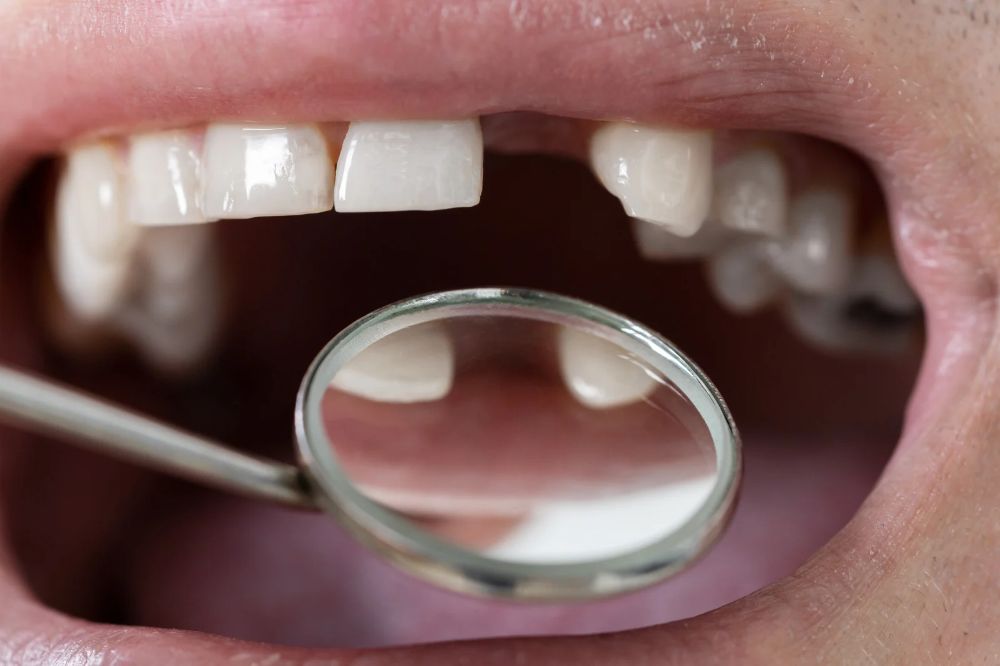
A chipped tooth, a growing cavity, or a gap where a tooth used to be is easy to brush off as a cosmetic nuisance. In reality, damaged and missing teeth affect how you eat, speak, and protect the rest of your mouth. Restorative dentistry repairs these problems so your teeth work properly and stay healthy. This guide explains what happens when teeth go untreated, which options are available, and what to ask your dentist.
What Happens When Damaged or Missing Teeth Go Untreated?
Teeth work as a system, so one problem rarely stays isolated, which is why dental implant restorations matter. Over time, untreated damage or tooth loss can cause:
- Shifting teeth and bite changes, as neighboring teeth drift into space.
- Jawbone loss, since tooth roots help keep the bone strong.
- Difficulty chewing and speaking.
- Higher risk of decay and gum disease.
- Small problems becoming bigger, such as a cavity progressing to an infection.
- Reduced confidence when smiling.
Addressing problems early usually means simpler treatment and better results.
Common Restorative Options and What They Do
The right treatment depends on how much of the tooth is damaged, whether a tooth is missing, and your overall oral health. Below are the restorative services offered at Mosaic Dental Center.
Dental Fillings
Fillings repair teeth affected by decay or minor damage. The decayed portion is removed and the space filled, restoring the tooth’s shape and function. Tooth-colored materials blend naturally with your smile. Fillings can also help you avoid permanent dentures later.
Dental Crowns
A crown is a cap that covers a tooth, restoring its strength and appearance. It suits cracked, weakened, or heavily filled teeth, and metal-free options are available.
Dental Bridges
A bridge replaces missing teeth by anchoring an artificial tooth to the natural teeth on either side of the gap. It also helps prevent shifting. Metal-free bridges are available. Bridges also support general cosmetic dentistry goals.
Dental Implant Restorations
An implant is a post placed in the jawbone that acts as an artificial tooth root, topped with a custom crown. It helps preserve the jawbone, and many last for decades with proper care.
Partial Dentures
When several teeth are missing, partial dentures fill the gaps between remaining natural teeth, restoring chewing and appearance. Metal-free versions are available. Because your remaining teeth help support the denture, your dentist may also explain dental fillings types and benefits to repair any decay before fitting it.
Restorative and Cosmetic Bonding
Bonding uses tooth-colored resin to repair chips, cracks, and small gaps, improving both function and appearance. It is a conservative option that preserves most of the natural tooth.
Root Canals
A root canal saves a tooth whose interior is infected or inflamed by removing the damaged tissue so that the tooth can be restored rather than extracted. A crown for protection often follows root canals.
Cosmetic Dental Restorations
Implants, crowns, and veneers can also restore appearance. Their lifespan depends largely on care, including good hygiene and regular checkups.
Questions to Ask Your Dentist Before Treatment
Bring these questions to your consultation:
- What are my options, and the pros and cons of each?
- How long is each option expected to last?
- What maintenance will it need?
- What are the timeline, cost, and financing options?
- Are comfort options available if I feel anxious?
Your Smile Restoration Starts at Mosaic Dental Center
Restorative dentistry is about far more than appearance. Repairing damaged teeth and replacing missing ones protects your bite, jawbone, gums, and ability to eat comfortably. The earlier a problem is addressed, the more options you tend to have. If a tooth is cracked, painful, or missing, start with an evaluation. The team at Mosaic Dental Center in Orlando, Florida, can answer your questions and help you choose the right option.
Frequently Asked Questions
1. How do I know if I need restorative treatment?
Common signs include tooth pain or sensitivity, visible cracks or chips, a loose filling or crown, difficulty chewing, and gaps from missing teeth. Some problems cause no symptoms at first, which is why regular checkups matter.
2. How long do dental restorations last?
It depends on the type and your care. Fillings, crowns, and bridges may eventually need replacing, while implants can last decades. Good brushing and flossing habits and regular dental visits help every restoration last longer.
3. Do I really need to replace a missing tooth?
It’s usually recommended. A gap can let neighboring teeth shift, contribute to jawbone loss, and make chewing and cleaning harder over time.
4. What’s the difference between a bridge and an implant?
A bridge relies on the teeth beside the gap for support, while an implant is anchored directly in the jawbone. Your dentist can recommend the better fit based on your bone health, budget, and preferences.
5. Are restorative treatments painful?
Most procedures use local anesthesia, so you shouldn’t feel pain during treatment. Mild soreness afterward is normal. If anxiety is a concern, ask about oral conscious sedation, which Mosaic Dental Center offers.
