


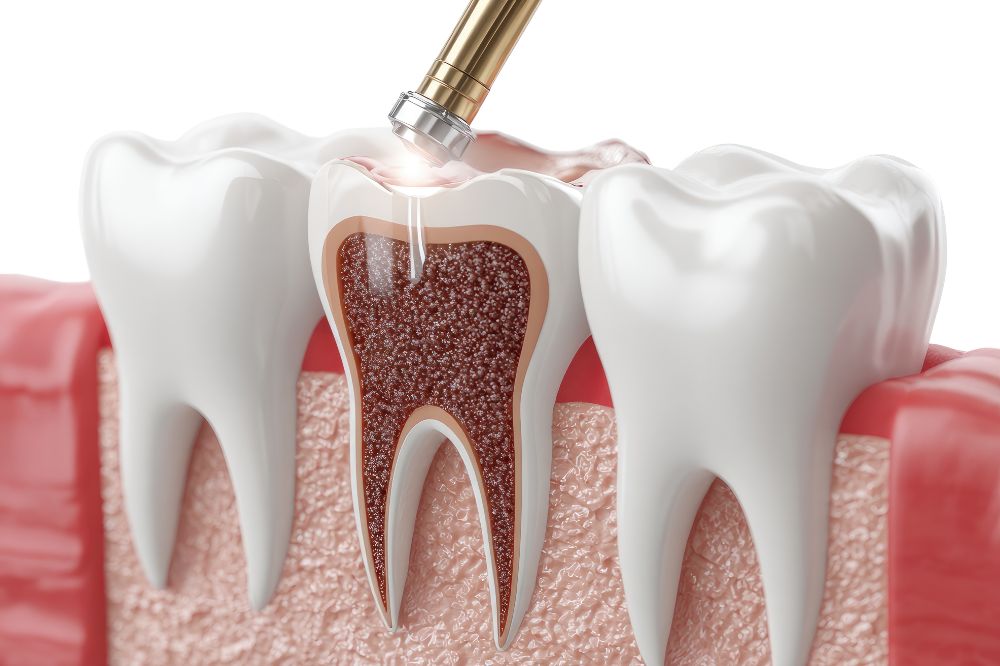
A dental filling repairs a tooth damaged by decay, restoring its natural shape, strength, and everyday function so you can chew comfortably again quite soon.
Several filling materials exist today, each offering different levels of durability, cost, and appearance, making the right choice depend on your specific dental situation overall.
Delaying treatment allows decay to spread much deeper into the tooth, risking infection, pain, or costlier procedures later on. This guide explains every filling option clearly and simply today.
What Are Dental Fillings and When Do You Need One
Fillings treat cavities by gently removing decayed tissue, cleaning the affected area thoroughly, and sealing it with durable material overall, unlike dental implants, which fully replace an entire missing tooth structure instead of restoring it.
- Tooth Sensitivity: Sudden sensitivity to hot, cold, or sweet foods often signals decay reaching deeper tooth layers.
- Visible Holes or Pits: Small holes or dark pits on the tooth surface usually indicate active, untreated decay forming.
- Persistent Toothache: A lingering or sharp toothache without an obvious cause often points toward a growing cavity.
- Rough or Broken Tooth Edges: Feeling a rough edge or noticing a chipped tooth may reveal decay weakening the structure.
- Visible Staining: Brown, black, or white spots on teeth can signal decay before pain ever develops fully.
Types of Dental Fillings Compared
Choosing the right filling material depends on cost, durability, and appearance. Each option, from strong metal alloys to tooth colored composites, offers distinct advantages worth carefully understanding before your dental appointment begins soon.
Gold Fillings
Gold fillings are custom crafted in a dental laboratory, then carefully cemented securely into place for exceptionally lasting strength and comfort overall.
Many patients also consider dental crowns for larger repairs, since gold restorations can often last well over twenty years.
Amalgam (Silver) Fillings
Amalgam fillings are budget-friendly, tolerant to wear, and remarkably durable, standing up well to daily chewing pressure over time.
However, their darker color makes amalgam quite noticeable, so a dentist seldom places them near visible front tooth surfaces.
Composite (Resin) Fillings
Composite resins are custom shaded to match natural teeth, blending in seamlessly for a discreet, natural-looking smile every time.
However, composite fillings typically last only three to ten years and may gradually stain from coffee, tea, or dark tobacco.
Porcelain Fillings (Inlays/Onlays)
Porcelain inlays and onlays are custom lab-crafted, then bonded precisely to the tooth for lasting strength and durability overall.
These restorations match your natural tooth color, resist staining well, and often cover most of the tooth surface nearly completely.
Benefits of Dental Fillings and Choosing the Right One for You
Fillings restore chewing function, strengthen weakened enamel, and prevent painful infection while protecting your natural tooth structure for years. Choosing wisely truly depends on your unique dental needs today.
Location in the Mouth
Front teeth call for tooth colored materials like composite or porcelain, since natural appearance matters most there visibly every day.
Size and Extent of the Cavity
Larger cavities generally need stronger, more durable materials like gold or porcelain, while smaller cavities suit composite resin quite nicely most often.
Budget and Longevity
Gold and porcelain cost more upfront but last decades, while amalgam and composite offer more affordable, shorter-term solutions overall.
Aesthetic Preference
If a natural, invisible look matters most, composite or porcelain fillings blend seamlessly with your existing smile every day.
Get Your Dental Filling Consultation Scheduled Today With Mosaic Dental Center
Ready to protect your smile with the right filling? Mosaic Dental Center’s experienced, friendly team will guide you through every material option, ensuring lasting comfort, durability, and a natural look you can trust. Call us today to schedule your personalized consultation and take the next confident step toward a lasting, healthy, beautiful, radiant smile overall.
Frequently Asked Questions
How long do dental fillings typically last?
Filling lifespan varies by material; amalgam and gold can last decades, while composite fillings often need replacement sooner.
Are dental fillings painful to get?
Most patients feel little discomfort since dentists use local anesthesia, making the filling process quick, comfortable, and virtually painless overall.
Can old fillings be replaced with newer materials?
Yes, older amalgam or damaged fillings can often be replaced with tooth colored composite or durable porcelain for improved appearance.
Which filling material looks the most natural?
Composite resin and porcelain fillings blend closely with natural tooth color, making them the most discreet and cosmetically pleasing choices.
Does dental insurance cover the cost of fillings?
Most dental insurance plans cover a portion of filling costs, though coverage amounts vary based on material choice and provider.
What happens if a cavity is left untreated?
Untreated cavities can deepen, cause severe pain, lead to infection, and eventually require a root canal or tooth extraction.
How do I know if I need a dental filling?
Common signs include tooth sensitivity, visible holes, persistent pain, or rough edges, though only a dentist can confirm through a proper examination.
